
Techniques Used for Spinal Adjustments: Unlock Pain Relief

Techniques Used for Spinal Adjustments: Discover diverse chiropractic methods to alleviate pain, enhance mobility, and boost overall health and wellness.
When it comes to spine health, spinal adjustments are a widely recognized and effective method for addressing misalignments and promoting overall well-being. Spinal adjustments, also known as chiropractic adjustments, involve the use of controlled force to restore proper alignment to the spine and improve the function of the nervous system.
Key Takeaways
- Chiropractic adjustments are used to correct spinal misalignments.
- There are various techniques, each with specific benefits.
- Spinal health is crucial for overall well-being.
- Chiropractors customize treatment plans based on individual needs.
Table of Contents
Understanding the Importance Of Techniques Used for Spinal Adjustments
Maintaining a well-aligned spine is critical for the body's overall function. When the spine is aligned correctly, it supports the optimal performance of the nervous, immune, and circulatory systems. Misalignments can lead to pain, decreased mobility, and other health issues.
How Spinal Adjustments Work
Chiropractors use their hands or special instruments to apply force to specific joints in the spine. This force can help reposition the vertebrae, reduce nerve irritability, and restore range of motion.
Common Techniques for Spinal Adjustments
Spinal adjustments can be performed using various techniques, each designed to address specific conditions and patient needs. Here are some of the most common techniques used by chiropractors.
1. Diversified Technique

The diversified technique is perhaps the most widely practiced chiropractic adjustment. It involves a high-velocity, low-amplitude thrust that is applied to specific vertebrae. This technique aims to restore proper movement and alignment in the spine.
2. Gonstead Technique
The Gonstead technique focuses on a detailed analysis of the spine using X-rays and physical examination. Adjustments are then made to correct specific misalignments. This method is known for its precision and effectiveness in treating various spinal issues.
3. Activator Method
The activator method utilizes a small handheld instrument to deliver a gentle impulse force to the spine. This technique is ideal for patients who require a gentler approach, such as those with osteoporosis or other conditions that make traditional adjustments less suitable.
4. Thompson Drop-Table Technique
The Thompson drop-table technique involves the use of a specially designed table with drop pieces. When the chiropractor applies a thrust, the table drops slightly, allowing gravity to assist with the adjustment. This method is particularly effective for patients with lower back pain.
5. Decompression
Decompression is a non-thrusting spinal manipulation that uses a special table to help stretch and decompress the spine. This technique is often used to treat conditions such as herniated discs and sciatica.
6. Spinal Mobilization
Spinal mobilization involves the use of gentle, low-velocity movements to improve spinal function and alleviate pain. This technique is suitable for patients who may not tolerate the high-velocity thrusts used in other methods.
7. Sacro Occipital Technique (SOT)
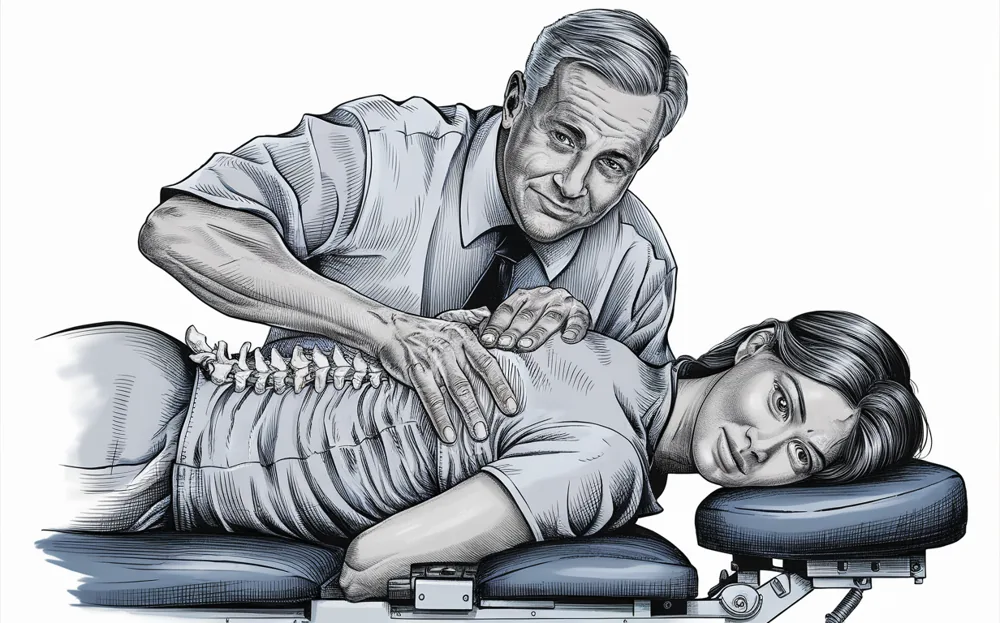
SOT focuses on balancing the relationship between the pelvis, skull, and spine. It uses blocks placed under the patient’s pelvis and gentle pressure to correct misalignments. This method is particularly helpful for patients with complex spinal issues.
Real-Life Experiences and Benefits
Many patients report significant improvements in their health and well-being after receiving spinal adjustments. Here are a few examples of how these techniques have made a difference in people's lives.
Patient Testimonials
- Denise Lutz: "Dr. Leigh's adjustments have been incredibly effective in relieving my back and neck pain. Her holistic approach, including diet and nutrition, has truly improved my overall wellness."
- Kari Maurine: "My experience with Dr. Leigh has been life-changing. Her caring and personalized treatment approach made a huge difference in my health."
- Rosemary Courtney: "I was skeptical at first, but Dr. Leigh's care has significantly reduced my back pain from compressed discs and bone spurs. My quality of life has improved tremendously."
Comparison of Spinal Adjustment Techniques
Customized Chiropractic Care
Chiropractors understand that each patient is unique, and therefore, a one-size-fits-all approach does not work. Personalized treatment plans are essential for effective chiropractic care. Here’s how chiropractors customize their approach:
Initial Consultation and Assessment
During the initial consultation, chiropractors conduct a thorough assessment, including a medical history review, physical examination, and sometimes diagnostic imaging. This helps in identifying the specific needs and conditions of the patient.
Developing a Treatment Plan
Based on the assessment, a chiropractor devises a treatment plan tailored to the patient’s needs. This plan may include one or more spinal adjustment techniques, along with recommendations for lifestyle changes and exercises.
Continuous Monitoring and Adjustment

Chiropractors regularly monitor the patient's progress and make necessary adjustments to the treatment plan. This ensures that the patient receives the best possible care and achieves optimal results.
Benefits of Regular Spinal Adjustments
- Pain Relief: Effective in reducing back, neck, and joint pain.
- Improved Mobility: Restores range of motion and flexibility.
- Enhanced Nervous System Function: Promotes better communication within the body.
- Boosted Immune System: Supports overall health and resilience.
- Better Posture: Helps in maintaining proper spine alignment and posture.
The Science Behind Spinal Adjustments
Understanding the scientific principles behind spinal adjustments can provide further insight into their effectiveness and benefits.
Neurological Impact
Spinal adjustments help in repositioning vertebrae, reducing nerve compression and irritation. This can lead to improved nerve function and reduced pain.
Biomechanical Benefits
By restoring proper alignment, spinal adjustments enhance the biomechanical function of the spine. This can result in improved mobility and decreased muscle tension.
Common Conditions Treated with Spinal Adjustments
- Spinal adjustments, also known as chiropractic manipulation, are a common treatment used by chiropractors to help alleviate pain and improve function in the spine and other joints. Here are some techniques commonly used:
- Diversified Technique: This is the most commonly used spinal manipulation technique. It involves applying a controlled force to a specific joint, which creates a popping or cracking sound. According to a study published in the Journal of Manipulative and Physiological Therapeutics, diversified technique is effective for treating low back pain, cervicogenic headache, and whiplash-associated disorders (source).
- Gonstead Technique: This technique focuses on the alignment of the pelvis and the sacrum. It involves a thorough analysis of the spine and the use of specific adjustments to correct any misalignments. According to a review published in the Journal of Chiropractic Research, Gonstead technique is effective for treating low back pain, leg pain, and neck pain (source).
- Activator Method: This technique uses a handheld instrument called an activator to deliver a gentle thrust to the spine. It is often used for patients who are uncomfortable with manual manipulation or for those with conditions such as osteoporosis. According to a study published in the Journal of Manipulative and Physiological Therapeutics, activator method is effective for treating low back pain and headaches (source).
- Thompson Technique: This technique involves the use of a special table that allows the chiropractor to apply gentle pressure to the spine, which creates a "drop" or "release" sensation. It is often used for patients with herniated discs or other conditions that require a gentle approach. According to a study published in the Journal of Chiropractic Research, Thompson technique is effective for treating low back pain and sciatica (source).
Incorporating Wellness Practices

Chiropractors often recommend incorporating wellness practices to complement spinal adjustments and support overall health.
Nutrition and Diet
A balanced diet rich in essential nutrients supports the body’s healing processes and overall well-being. Chiropractors may provide dietary recommendations to enhance treatment outcomes.
Exercise and Physical Activity
Regular physical activity helps in maintaining spine health and preventing future issues. Chiropractors often prescribe specific exercises to strengthen the muscles supporting the spine.
Stress Management
Managing stress is crucial for overall health. Techniques such as mindfulness, meditation, and relaxation exercises can help reduce tension and improve spinal health.
Conclusion
Spinal adjustments are a vital component of chiropractic care, offering numerous benefits for individuals suffering from pain and other spinal issues. By utilizing various techniques, chiropractors can provide personalized and effective treatment plans tailored to each patient's needs. Regular spinal adjustments, combined with wellness practices, can significantly enhance overall health and well-being.
Feel free to explore the services we offer at Dr. Leigh Sierra's Clinic and schedule an appointment to start your journey toward better spinal health and overall wellness.
Final Thoughts
Maintaining spinal health is essential for a vibrant and active life. Understanding the different techniques used for spinal adjustments can help you make informed decisions about your chiropractic care.
By addressing misalignments and promoting proper spine function, chiropractic adjustments can lead to a healthier, pain-free life. Take the first step towards better health by consulting with a qualified chiropractor and exploring the benefits of spinal adjustments.
Schedule an Appointment
Get Started on Your Wellness Transformation
Make an appointment for your initial consultation so we can determine if chiropratic can help improve your health or maintain your wellness goals.
Hours of Operation
| Monday | 10:00 AM - 11:30 AM 3:00 PM - 6:00 PM |
| Tuesday | By Appointment |
| Wednesday | 10:00 AM - 11:30 AM 3:00 PM - 6:00 PM |
| Thursday | 8:00 AM – 4:00 PM |
| Friday | 7:30 AM - 11:00 AM |