
Nutrition for Spinal Health: Essential Dietary Strategies for Optimal Spine Wellness in Venice, Florida
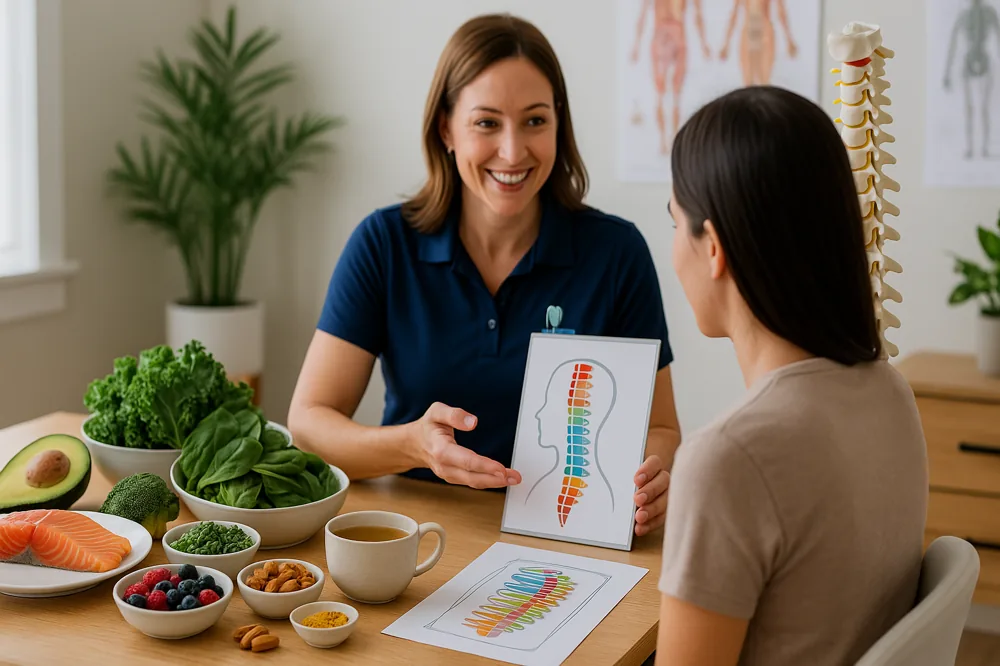
Introduction: The Vital Connection Between Nutrition and Spinal Health
Nutrition for spinal health represents a fundamental yet often overlooked aspect of comprehensive spine care. At Dr. Leigh Sierra's Venice, Florida practice, the integration of nutritional counseling with chiropractic treatment provides patients with powerful tools for achieving optimal spinal wellness and preventing degenerative conditions.
Your spine requires specific nutrients to maintain healthy bones, cartilage, muscles, ligaments, and nerve tissue. Through targeted nutritional strategies, patients can reduce inflammation, support tissue repair, maintain bone density, and enhance the effectiveness of chiropractic treatments. Understanding the relationship between diet and spinal health empowers individuals to take an active role in their recovery and long-term wellness.
The Science of Spinal Nutrition
Essential Nutrients for Spine Structure
The spine is a complex structure requiring multiple nutrients for optimal function:
Bone Health Nutrients:
- Calcium for bone density and strength
- Vitamin D3 for calcium absorption and bone metabolism
- Magnesium for bone formation and calcium regulation
- Vitamin K2 for proper calcium utilization
- Phosphorus for bone mineralization
- Boron for calcium and magnesium metabolism
Cartilage and Disc Support:
- Glucosamine sulfate for cartilage repair
- Chondroitin sulfate for joint lubrication
- Collagen peptides for structural protein synthesis
- Vitamin C for collagen formation
- Sulfur compounds for cartilage maintenance
- Hyaluronic acid for disc hydration
Muscle and Ligament Health:
- Protein for tissue repair and maintenance
- Branched-chain amino acids for muscle recovery
- Omega-3 fatty acids for inflammation control
- Antioxidants for oxidative stress protection
- B vitamins for nerve function
- Electrolytes for muscle contraction
Anti-Inflammatory Nutrition for Pain Management
Chronic inflammation contributes to spinal pain and degenerative conditions:
Pro-Inflammatory Foods to Limit:
- Refined sugars and high-fructose corn syrup
- Trans fats and hydrogenated oils
- Processed meats with nitrates
- Refined grains and white flour products
- Excessive omega-6 vegetable oils
- Artificial additives and preservatives
Anti-Inflammatory Foods to Emphasize:
- Fatty fish rich in omega-3s (salmon, mackerel, sardines)
- Leafy green vegetables (spinach, kale, collard greens)
- Colorful berries and cherries
- Turmeric and ginger for natural pain relief
- Olive oil and avocados for healthy fats
- Nuts and seeds for antioxidants
Hydration and Spinal Disc Health
Proper hydration is crucial for spinal disc integrity:
Disc Hydration Requirements:
- Intervertebral discs are 80% water content
- Dehydration reduces disc height and flexibility
- Adequate water intake supports nutrient transport
- Proper hydration maintains disc shock absorption
- Electrolyte balance affects tissue hydration
Optimal Hydration Strategies:
- Drink half your body weight in ounces daily
- Add electrolytes for better cellular uptake
- Consume water-rich foods like cucumbers and melons
- Limit dehydrating beverages like alcohol and caffeine
- Monitor urine color for hydration status
Nutritional Approaches to Common Spinal Conditions
Osteoporosis Prevention and Bone Health
Spinal osteoporosis affects millions, particularly postmenopausal women:
Bone-Building Nutrition Protocol:
- Calcium: 1,200-1,500mg daily from food sources
- Vitamin D3: 2,000-4,000 IU daily for optimal absorption
- Magnesium: 400-600mg daily for bone formation
- Vitamin K2: 100-200mcg daily for calcium direction
- Protein: 1.2-1.6g per kg body weight for bone matrix
Food Sources for Bone Health:
- Dairy products (organic, grass-fed preferred)
- Leafy green vegetables for calcium and K2
- Fatty fish for vitamin D and omega-3s
- Nuts and seeds for magnesium and healthy fats
- Bone broth for collagen and minerals
Lifestyle Factors:
- Weight-bearing exercise to stimulate bone formation
- Adequate sunlight exposure for vitamin D synthesis
- Smoking cessation to prevent bone loss
- Moderate alcohol consumption
- Stress management for hormonal balance
Disc Degeneration and Herniation Support
Nutritional strategies can slow disc degeneration and support healing:
Disc-Supportive Nutrients:
- Glucosamine sulfate: 1,500mg daily for cartilage repair
- Chondroitin sulfate: 800-1,200mg daily for joint lubrication
- Type II collagen: 40mg daily for structural support
- Vitamin C: 500-1,000mg daily for collagen synthesis
- MSM (methylsulfonylmethane): 1,000-3,000mg daily for sulfur
Anti-Inflammatory Protocol:
- Omega-3 fatty acids: 2-3g daily EPA/DHA
- Turmeric with black pepper: 500-1,000mg curcumin daily
- Tart cherry juice: 8oz daily for natural pain relief
- Green tea: 3-4 cups daily for antioxidants
- Ginger: 1-2g daily for inflammation reduction
Muscle Tension and Spasm Relief
Nutritional deficiencies often contribute to muscle problems:
Muscle Relaxation Nutrients:
- Magnesium glycinate: 400-600mg daily for muscle relaxation
- Potassium: 3,500-4,700mg daily for muscle function
- Calcium: Balanced with magnesium for muscle contraction
- B vitamins: Complex for nerve-muscle communication
- Taurine: 500-1,000mg daily for muscle membrane stability
Natural Muscle Relaxants:
- Valerian root for muscle tension and sleep
- Passionflower for anxiety-related muscle tension
- Chamomile tea for relaxation and inflammation
- Epsom salt baths for transdermal magnesium
- Essential oils like lavender for topical relief
Sciatica and Nerve Pain Management
Nutritional support for nerve health and pain reduction:
Nerve-Supporting Nutrients:
- B12 (methylcobalamin): 1,000-5,000mcg daily
- B6 (pyridoxal-5-phosphate): 50-100mg daily
- Folate (methylfolate): 400-800mcg daily
- Alpha-lipoic acid: 300-600mg daily for neuropathy
- Acetyl-L-carnitine: 1,000-2,000mg daily for nerve repair
Pain-Reducing Compounds:
- Curcumin with piperine for inflammation
- Boswellia serrata for pain and inflammation
- White willow bark as natural aspirin alternative
- Capsaicin cream for topical pain relief
- PEA (palmitoylethanolamide) for chronic pain
Age-Specific Nutritional Considerations
Children and Adolescent Spinal Development
Growing spines have unique nutritional needs:
Critical Growth Nutrients:
- Adequate protein for tissue development
- Calcium and vitamin D for bone formation
- Zinc for growth hormone production
- Iron for oxygen transport to tissues
- Essential fatty acids for nervous system development
Common Deficiencies in Youth:
- Vitamin D from limited outdoor activity
- Calcium from poor dairy intake
- Magnesium from processed food consumption
- Omega-3s from lack of fish consumption
- Fiber from inadequate vegetable intake
Youth-Friendly Nutrition Strategies:
- Smoothies with hidden vegetables and protein powder
- Calcium-fortified plant milks for dairy alternatives
- Fish oil gummies for omega-3 supplementation
- Whole grain alternatives to refined carbohydrates
- Family meal planning for consistent nutrition
Adult Spinal Maintenance (30-50 years)
Working adults face unique nutritional challenges:
Workplace Nutrition Issues:
- Irregular meal timing affecting blood sugar
- High stress increasing nutrient demands
- Limited time for meal preparation
- Caffeine dependence affecting mineral absorption
- Sedentary work increasing inflammation
Adult Nutrition Solutions:
- Meal prep strategies for consistent nutrition
- Portable snacks with protein and healthy fats
- Stress-supporting adaptogenic herbs
- Workplace ergonomics combined with nutrition
- Regular meal timing for metabolic health
Senior Spinal Health (50+ years)
Aging affects nutritional needs and absorption:
Age-Related Changes:
- Decreased stomach acid affecting mineral absorption
- Reduced protein synthesis requiring higher intake
- Medication interactions affecting nutrient status
- Chronic inflammation increasing antioxidant needs
- Bone loss acceleration requiring targeted support
Senior-Specific Strategies:
- Digestive enzyme supplementation
- Higher protein intake (1.2-1.6g per kg body weight)
- B12 injections or sublingual forms for absorption
- Increased antioxidant-rich foods for inflammation
- Bone-supporting exercise combined with nutrition
Inflammatory Conditions and Dietary Interventions
Autoimmune Conditions Affecting the Spine
Conditions like rheumatoid arthritis and ankylosing spondylitis require specialized nutrition:
Anti-Inflammatory Diet Protocols:
- Elimination of common trigger foods
- Emphasis on omega-3 fatty acids
- Antioxidant-rich fruits and vegetables
- Gut health support through probiotics
- Stress reduction through nutrition
Specific Interventions:
- Mediterranean diet for overall anti-inflammatory effects
- Autoimmune Protocol (AIP) for severe conditions
- Low-lectin diet for gut permeability issues
- Anti-candida protocol for fungal overgrowth
- Personalized elimination diets based on testing
Fibromyalgia and Chronic Pain Syndromes
Nutritional approaches for widespread pain conditions:
Pain-Reducing Nutrients:
- Magnesium for muscle relaxation and pain
- 5-HTP for serotonin production and mood
- SAM-e for joint health and mood support
- Ribose for cellular energy production
- Coenzyme Q10 for mitochondrial function
Dietary Modifications:
- Low-glycemic diet for stable blood sugar
- Elimination of artificial sweeteners (aspartame)
- Gluten-free diet for sensitive individuals
- Increased plant-based anti-inflammatory foods
- Regular meal timing for energy stability
Supplement Strategies for Spinal Health
Core Spinal Health Supplements
Essential supplements for most individuals:
Foundation Supplements:
- High-quality multivitamin/mineral complex
- Vitamin D3 with K2 for bone health
- Omega-3 fish oil for inflammation control
- Magnesium glycinate for muscle and bone health
- Probiotics for gut health and inflammation
Targeted Spinal Supplements:
- Glucosamine/chondroitin for joint health
- Collagen peptides for tissue repair
- Turmeric/curcumin for inflammation
- Calcium with proper cofactors for bones
- B-complex for nerve health
Quality and Absorption Considerations
Supplement effectiveness depends on quality and absorption:
Quality Factors:
- Third-party testing for purity and potency
- Pharmaceutical-grade manufacturing standards
- Bioavailable forms of nutrients
- Proper storage and handling
- Expiration date awareness
Absorption Enhancement:
- Take fat-soluble vitamins with healthy fats
- Separate calcium and magnesium for better uptake
- Consider timing with or without food
- Address digestive health for optimal absorption
- Monitor for drug-nutrient interactions
Personalized Supplementation
Individual needs vary based on multiple factors:
Assessment Methods:
- Comprehensive metabolic panels
- Vitamin and mineral status testing
- Food sensitivity and allergy testing
- Digestive health evaluation
- Genetic testing for nutrient metabolism
Customization Factors:
- Age and gender considerations
- Activity level and athletic demands
- Medical conditions and medications
- Dietary restrictions and preferences
- Geographic and seasonal influences
Meal Planning for Spinal Health
Anti-Inflammatory Meal Templates
Structured approaches to spinal-supportive eating:
Breakfast Options:
- Omega-3 rich eggs with vegetables
- Anti-inflammatory smoothie with berries and greens
- Steel-cut oats with nuts and seeds
- Greek yogurt with turmeric and honey
- Avocado toast on whole grain with tomatoes
Lunch Ideas:
- Wild salmon salad with leafy greens
- Bone broth soup with vegetables
- Quinoa bowl with colorful vegetables
- Lentil soup with anti-inflammatory spices
- Grass-fed turkey wrap with vegetables
Dinner Suggestions:
- Baked fish with roasted vegetables
- Grass-fed beef with sweet potato
- Plant-based protein with quinoa
- Chicken bone broth stew
- Mediterranean-style vegetable dishes
Meal Prep Strategies
Efficient planning for consistent nutrition:
Weekly Preparation:
- Batch cook proteins for easy assembly
- Prepare vegetables for quick cooking
- Make large batches of anti-inflammatory soups
- Portion snacks for grab-and-go options
- Prepare smoothie ingredients for blending
Kitchen Organization:
- Stock pantry with spinal-health staples
- Invest in quality food storage containers
- Keep emergency healthy snacks available
- Organize supplements for consistency
- Plan shopping lists around anti-inflammatory foods
Hydration Strategies Beyond Water
Therapeutic Beverages for Spinal Health
Functional drinks that support spinal wellness:
Anti-Inflammatory Beverages:
- Green tea with antioxidants and L-theanine
- Turmeric golden milk for inflammation
- Tart cherry juice for pain and sleep
- Bone broth for collagen and minerals
- Herbal teas with adaptogenic herbs
Nutrient-Dense Options:
- Fresh vegetable juices for concentrated nutrients
- Smoothies with protein and healthy fats
- Coconut water for natural electrolytes
- Herbal tonics with medicinal properties
- Fermented beverages for probiotics
Avoiding Dehydrating Substances
Common beverages that compromise spinal health:
Dehydrating Factors:
- Excessive caffeine intake
- Alcohol consumption
- High-sodium sports drinks
- Sugary sodas and juices
- Energy drinks with stimulants
Moderation Strategies:
- Limit caffeine to morning hours
- Balance alcohol with extra water
- Choose low-sugar electrolyte options
- Dilute fruit juices with water
- Replace energy drinks with natural alternatives
Nutritional Support for Chiropractic Treatment
Pre-Treatment Nutrition
Optimizing nutrition before chiropractic care:
Preparation Guidelines:
- Avoid large meals 2-3 hours before treatment
- Stay well-hydrated throughout the day
- Consume anti-inflammatory foods regularly
- Take muscle-supporting supplements consistently
- Manage stress through nutrition
Energy and Comfort:
- Light snack if hungry before treatment
- Avoid foods that cause digestive upset
- Ensure stable blood sugar levels
- Consider calming herbs if anxious
- Maintain regular supplement schedule
Post-Treatment Recovery
Supporting healing after chiropractic adjustments:
Recovery Nutrition:
- Anti-inflammatory foods to reduce treatment soreness
- Adequate protein for tissue repair
- Hydration to support healing processes
- Gentle movement with proper nutrition timing
- Rest and recovery with supportive nutrients
Healing Enhancement:
- Increase omega-3 intake after treatment
- Use ice with anti-inflammatory foods
- Apply heat with muscle-relaxing nutrients
- Practice stress reduction with supportive herbs
- Monitor body responses to treatment and nutrition
Addressing Common Nutritional Deficiencies
Widespread Deficiencies Affecting Spinal Health
Common nutrient gaps in modern diets:
Vitamin D Deficiency:
- Affects 40-50% of adults in the United States
- Critical for calcium absorption and bone health
- Linked to muscle weakness and pain
- Requires supplementation in most climates
- Testing recommended for optimal dosing
Magnesium Insufficiency:
- Found in 75% of Americans
- Essential for muscle relaxation and bone health
- Depleted by stress and processed foods
- Multiple forms available for different needs
- Can significantly impact pain levels
Omega-3 Imbalance:
- Modern diets heavily weighted toward omega-6
- Anti-inflammatory omega-3s often insufficient
- Critical for pain and inflammation control
- Best obtained from fatty fish or supplements
- Testing available for fatty acid status
Geographic and Seasonal Considerations
Location-specific nutritional challenges in Venice, Florida:
Florida-Specific Factors:
- Year-round sun exposure for vitamin D synthesis
- High humidity affecting hydration needs
- Seasonal produce availability
- Tourist population dietary variations
- Heat-related electrolyte losses
Seasonal Adjustments:
- Summer focus on hydration and electrolytes
- Hurricane season emergency nutrition planning
- Winter visitor population considerations
- Seasonal affective factors on vitamin D
- Activity level changes with weather
Working with Healthcare Providers
Integrative Nutritional Care
Coordinating nutrition with chiropractic treatment:
Dr. Leigh Sierra's Approach:
- Comprehensive nutritional assessment
- Personalized dietary recommendations
- Supplement protocol development
- Progress monitoring and adjustments
- Integration with chiropractic care plans
Collaborative Care:
- Communication with primary care physicians
- Coordination with registered dietitians
- Lab work interpretation and recommendations
- Medication-nutrient interaction awareness
- Referrals to nutrition specialists when needed
Monitoring Progress and Adjustments
Tracking nutritional interventions for spinal health:
Assessment Methods:
- Pain scale improvements
- Range of motion measurements
- Energy level and sleep quality
- Digestive health improvements
- Lab marker changes over time
Adjustment Protocols:
- Regular reassessment of dietary compliance
- Supplement dosage modifications
- Addressing new symptoms or conditions
- Seasonal and lifestyle change adaptations
- Long-term maintenance planning
Special Dietary Considerations
Plant-Based Nutrition for Spinal Health
Vegetarian and vegan approaches to spinal wellness:
Plant-Based Advantages:
- Naturally anti-inflammatory foods
- High antioxidant content
- Alkalizing effects on body pH
- Fiber for gut health and inflammation
- Lower saturated fat intake
Potential Challenges:
- B12 deficiency risk requiring supplementation
- Iron absorption optimization needs
- Protein combining for complete amino acids
- Calcium sources beyond dairy
- Omega-3 from algae sources
Optimization Strategies:
- Emphasis on variety and nutrient density
- Strategic supplementation for gaps
- Regular monitoring of key nutrients
- Professional guidance for meal planning
- Community support for sustainable practices
Gluten-Free and Food Sensitivity Management
Addressing food sensitivities that may affect spinal health:
Common Sensitivities:
- Gluten sensitivity and celiac disease
- Dairy intolerance and inflammation
- Nightshade sensitivity in some individuals
- Histamine intolerance affecting inflammation
- FODMAPs and digestive-related pain
Identification Methods:
- Elimination diet protocols
- Food sensitivity testing options
- Symptom tracking and correlation
- Professional guidance for accuracy
- Gradual reintroduction processes
Athletes and Active Individuals
Special nutritional needs for physically active people:
Increased Requirements:
- Higher protein needs for tissue repair
- Increased antioxidants for exercise stress
- Electrolyte replacement for sweat losses
- Timing of nutrients around training
- Recovery nutrition optimization
Performance Integration:
- Pre-exercise nutrition for energy
- During-exercise hydration and fuel
- Post-exercise recovery protocols
- Sleep optimization through nutrition
- Injury prevention and recovery support
Economic Considerations and Practical Implementation
Cost-Effective Nutrition Strategies
Making spinal health nutrition accessible:
Budget-Friendly Approaches:
- Emphasis on whole foods over supplements when possible
- Bulk purchasing of staple items
- Seasonal produce for maximum value
- Generic supplement options with quality assurance
- Meal planning to reduce food waste
Investment Priorities:
- High-quality omega-3 supplements
- Vitamin D testing and appropriate supplementation
- Organic produce for dirty dozen items
- Grass-fed and wild-caught proteins when budget allows
- Professional consultation for personalized plans
Insurance and Healthcare Savings
Long-term economic benefits of nutritional intervention:
Healthcare Cost Reduction:
- Decreased need for pain medications
- Reduced frequency of healthcare visits
- Prevention of chronic condition progression
- Improved quality of life and productivity
- Lower risk of surgical interventions
Insurance Considerations:
- HSA/FSA eligibility for some supplements
- Some insurance coverage for nutritional counseling
- Preventive care benefits utilization
- Documentation for medical necessity
- Professional provider billing capabilities
Creating Your Personalized Spinal Nutrition Plan
Assessment and Goal Setting
Developing individualized nutritional strategies:
Initial Evaluation:
- Current diet analysis and deficiency identification
- Health history and medication review
- Spinal condition severity and goals
- Lifestyle factors and constraints
- Budget and resource considerations
SMART Goal Development:
- Specific nutritional targets
- Measurable outcomes and timeline
- Achievable steps for implementation
- Relevant to spinal health needs
- Time-bound for accountability
Implementation Strategies
Practical steps for nutritional change:
Phase 1: Foundation Building (Weeks 1-4)
- Eliminate major inflammatory foods
- Increase water intake and hydration
- Add basic supplements (vitamin D, omega-3, magnesium)
- Include anti-inflammatory foods daily
- Establish regular meal timing
Phase 2: Optimization (Weeks 5-12)
- Fine-tune supplement protocols
- Address specific deficiencies identified
- Expand variety of anti-inflammatory foods
- Monitor and adjust based on response
- Integrate with chiropractic treatment schedule
Phase 3: Maintenance (Ongoing)
- Establish sustainable long-term habits
- Regular reassessment and adjustments
- Seasonal and lifestyle adaptations
- Continued professional support
- Community and family involvement
Conclusion: Nutrition as the Foundation of Spinal Wellness
Nutrition for spinal health represents a powerful, accessible tool for supporting optimal spine function and preventing degenerative conditions. Through strategic dietary choices, targeted supplementation, and lifestyle modifications, individuals can significantly impact their spinal health outcomes and enhance the effectiveness of chiropractic care.
Dr. Leigh Sierra's comprehensive approach to spinal wellness integrates evidence-based nutritional strategies with expert chiropractic treatment, providing Venice, Florida patients with the tools they need for optimal spinal health. By addressing the nutritional foundation of spinal wellness, patients can achieve better pain management, improved healing, and long-term spine health.
The journey to optimal spinal health through nutrition requires commitment, patience, and professional guidance, but the benefits extend far beyond pain relief to encompass improved energy, better sleep, enhanced mood, and overall quality of life. Investing in nutritional support for spinal health is an investment in long-term wellness and vitality.
Ready to optimize your spinal health through targeted nutrition strategies? Contact Dr. Leigh Sierra's Venice, Florida clinic at (941) 244-9028 to schedule a comprehensive consultation and develop your personalized spinal nutrition plan today.
Dr. Leigh Treco Sierra graduated from Auburn University with a Bachelor of Science in Biomedical Science and a Master of Science in Biology. Her passion for the health sciences led her to pursue her Doctor of Chiropractic at Life University, where she graduated Magna Cum Laude.
Schedule an Appointment
Get Started on Your Wellness Transformation
Make an appointment for your initial consultation so we can determine if chiropratic can help improve your health or maintain your wellness goals.
Hours of Operation
| Monday | 10:00 AM - 11:30 AM 3:00 PM - 6:00 PM |
| Tuesday | By Appointment |
| Wednesday | 10:00 AM - 11:30 AM 3:00 PM - 6:00 PM |
| Thursday | 8:00 AM – 4:00 PM |
| Friday | 7:30 AM - 11:00 AM |