
Identifying True Sciatica Symptoms: The Complete Guide to Understanding Sciatic Nerve Pain
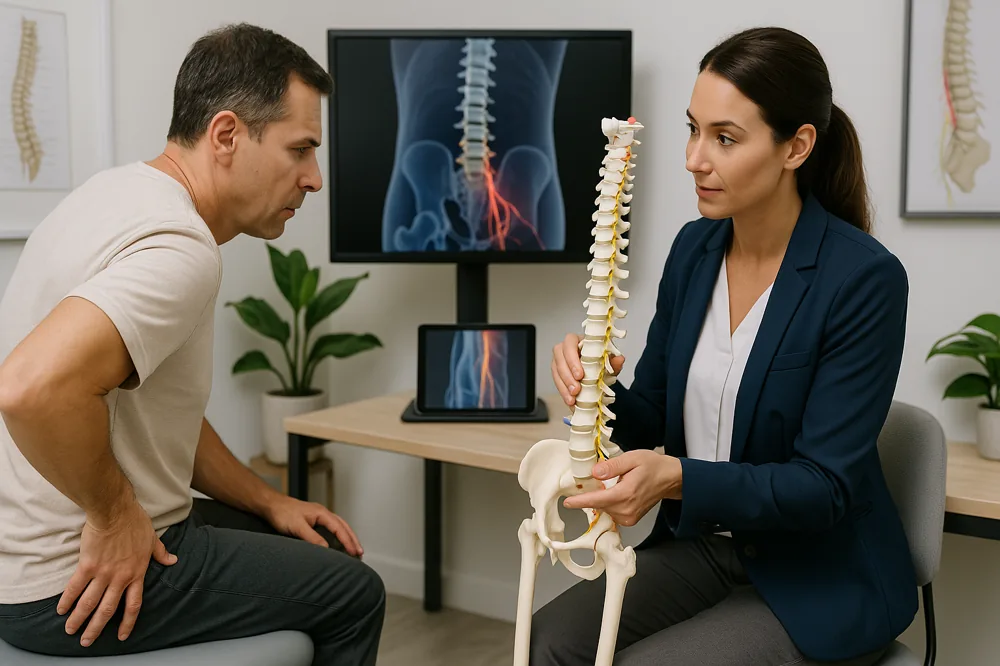
Are you experiencing shooting pain down your leg and wondering if it's sciatica? Identifying true sciatica symptoms is crucial for proper treatment and recovery. This comprehensive guide will help you distinguish genuine sciatic nerve pain from other conditions that mimic sciatica, understand the underlying causes, and know when to seek professional help.
What is True Sciatica?
True sciatica refers to pain that originates from irritation or compression of the sciatic nerve—the longest and thickest nerve in your body. This nerve runs from your lower back, through your buttocks, and down each leg to your feet. When this nerve becomes inflamed or compressed, it creates a distinct pattern of symptoms that healthcare professionals can identify.
The Anatomy of Sciatic Nerve Pain
Understanding the sciatic nerve's path helps explain why symptoms appear where they do:
- Origin: Nerve roots L4-S3 in the lower spine
- Route: Through the piriformis muscle in the buttock
- Branches: Divides into tibial and peroneal nerves
- Coverage: Entire back of the leg and most of the lower leg and foot
Hallmark Symptoms of True Sciatica
Primary Sciatic Nerve Pain Characteristics
True sciatica presents with specific symptoms that follow the nerve's pathway:
1. Radiating Pain
- Starts in the lower back or buttock
- Travels down the back of the thigh
- May extend to the calf, foot, and toes
- Usually affects only one side of the body
- Described as burning, electric, or shooting pain
2. Neurological Symptoms
- Numbness along the nerve pathway
- Tingling or "pins and needles" sensation
- Muscle weakness in the affected leg
- Difficulty moving the foot or toes
- Reduced reflexes in the knee or ankle
3. Positional Pain Patterns
- Worse when sitting for extended periods
- Aggravated by coughing or sneezing
- May improve with walking or lying down
- Difficulty standing up from seated position
- Pain when bending forward
Distinguishing True Sciatica from Mimicking Conditions
Piriformis Syndrome vs. True Sciatica
While piriformis syndrome can cause similar symptoms, key differences include:
- Location: Pain primarily in the buttock with piriformis syndrome
- Onset: Gradual development versus sudden onset
- Triggers: Specific hip movements worsen piriformis pain
- Response: Different reaction to diagnostic tests
Sacroiliac Joint Dysfunction
Often confused with sciatica but presents differently:
- Pain typically stays above the knee
- Worsens with weight-bearing activities
- Improved with rest
- No true nerve symptoms (numbness/tingling)
Hip Joint Problems
Hip pathology can mimic sciatica but shows:
- Groin pain more prominent
- Limited hip range of motion
- Pain with direct hip movement
- No neurological symptoms
Common Causes of True Sciatica
Herniated Disc (Most Common)
- Accounts for 90% of sciatica cases
- Disc material presses on nerve roots
- Often occurs at L4-L5 or L5-S1 levels
- May follow lifting injury or sudden movement
Spinal Stenosis
- Narrowing of spinal canal
- More common in older adults
- Symptoms worse with standing/walking
- Relief with sitting or bending forward
Spondylolisthesis
- Forward slippage of vertebra
- Can compress nerve roots
- Often accompanied by back pain
- May worsen with extension movements
Pregnancy-Related Sciatica
- Weight gain and postural changes
- Hormone-induced ligament laxity
- Baby's position affecting nerves
- Usually resolves postpartum
Diagnostic Tests for Confirming True Sciatica
Clinical Examination Tests
Straight Leg Raise Test (SLR)
- Patient lies flat, leg raised passively
- Positive if pain reproduced between 30-70 degrees
- Most sensitive test for herniated disc
Crossed Straight Leg Raise
- Raising unaffected leg causes pain in affected side
- Highly specific for disc herniation
Slump Test
- Seated position with spine flexed
- Tests neural tension
- Reproduces sciatic symptoms if positive
Imaging Studies
MRI (Magnetic Resonance Imaging)
- Gold standard for visualizing disc herniation
- Shows nerve compression clearly
- Identifies other soft tissue problems
CT Scan
- Better for bone abnormalities
- May show disc problems
- Often combined with myelography
X-rays
- Limited value for sciatica
- Shows bone alignment
- Rules out fractures or tumors
Red Flag Symptoms Requiring Immediate Attention
Seek emergency medical care if experiencing:
- Cauda Equina Syndrome Signs
- Loss of bowel or bladder control
- Numbness in "saddle" area
- Progressive leg weakness
- Sexual dysfunction
- Severe Neurological Deficits
- Foot drop (inability to lift foot)
- Complete numbness in leg
- Rapidly worsening symptoms
- Bilateral leg symptoms
Sciatica Symptom Patterns by Location
L4 Nerve Root Compression
- Pain to inner lower leg
- Weakness in ankle dorsiflexion
- Reduced knee reflex
- Numbness over shin
L5 Nerve Root Compression
- Pain to outer leg and top of foot
- Weakness in big toe extension
- Difficulty heel walking
- Numbness between first and second toes
S1 Nerve Root Compression
- Pain to outer foot and small toes
- Weakness in plantarflexion
- Reduced ankle reflex
- Numbness on outer foot edge
Duration and Progression of True Sciatica
Acute Phase (0-6 weeks)
- Most intense pain
- Significant functional limitations
- Inflammatory response active
- Requires careful management
Subacute Phase (6-12 weeks)
- Gradual pain reduction
- Improved function
- Healing process underway
- Focus on rehabilitation
Chronic Phase (Beyond 12 weeks)
- Persistent symptoms
- May require advanced interventions
- Risk of permanent nerve damage
- Comprehensive treatment needed
When to Seek Professional Help
Immediate Medical Attention
Required for:
- Red flag symptoms (as listed above)
- Severe, unrelenting pain
- Progressive neurological deficits
- Trauma-related onset
Chiropractic Consultation
Appropriate for:
- Mild to moderate symptoms
- No red flags present
- Failed conservative measures
- Seeking non-invasive treatment
Specialist Referral
Consider when:
- Symptoms persist beyond 6-8 weeks
- Conservative treatment fails
- Surgical intervention being considered
- Complex diagnostic picture
Self-Assessment Questions for True Sciatica
Ask yourself:
- Does the pain follow a specific path down your leg?
- Is the pain worse in certain positions?
- Do you experience numbness or tingling?
- Is only one leg affected?
- Does coughing or sneezing worsen the pain?
- Do you have difficulty with specific movements?
Answering "yes" to multiple questions suggests true sciatica.
The Importance of Accurate Diagnosis
Proper identification of true sciatica ensures:
- Appropriate treatment selection
- Faster recovery times
- Prevention of complications
- Avoided unnecessary procedures
- Better long-term outcomes
Natural History of Sciatica
Understanding typical progression helps set expectations:
- 80% improve within 6 weeks
- 90% resolve within 12 weeks
- 5-10% develop chronic symptoms
- Recurrence rate approximately 30%
Preventing Sciatica Misdiagnosis
Common diagnostic pitfalls include:
- Assuming all leg pain is sciatica
- Overlooking hip or SI joint problems
- Missing serious underlying conditions
- Inadequate physical examination
- Over-reliance on imaging alone
The Role of Patient History
Accurate diagnosis requires detailed information about:
- Onset circumstances
- Pain characteristics
- Aggravating/relieving factors
- Previous episodes
- Associated symptoms
- Medical history
Conclusion: Empowering Yourself with Knowledge
Identifying true sciatica symptoms is the first step toward effective treatment and recovery. By understanding the characteristic patterns of sciatic nerve pain, distinguishing it from similar conditions, and recognizing when professional help is needed, you can take control of your health journey.
Remember that true sciatica follows specific anatomical pathways and presents with distinct neurological symptoms. While many conditions can mimic sciatica, proper evaluation by a qualified healthcare provider—whether a chiropractor, primary care physician, or specialist—ensures accurate diagnosis and appropriate treatment.
If you're experiencing symptoms consistent with true sciatica, don't suffer in silence. Seek professional evaluation to confirm the diagnosis and begin your path to recovery. With proper identification and treatment, most people with sciatica can achieve significant relief and return to their normal activities.
Your journey to understanding and overcoming sciatica starts with recognizing the true symptoms. Armed with this knowledge, you're better prepared to work with healthcare providers and achieve the best possible outcome for your condition.
Dr. Leigh Treco Sierra graduated from Auburn University with a Bachelor of Science in Biomedical Science and a Master of Science in Biology. Her passion for the health sciences led her to pursue her Doctor of Chiropractic at Life University, where she graduated Magna Cum Laude.
Schedule an Appointment
Get Started on Your Wellness Transformation
Make an appointment for your initial consultation so we can determine if chiropratic can help improve your health or maintain your wellness goals.
Hours of Operation
| Monday | 10:00 AM - 11:30 AM 3:00 PM - 6:00 PM |
| Tuesday | By Appointment |
| Wednesday | 10:00 AM - 11:30 AM 3:00 PM - 6:00 PM |
| Thursday | 8:00 AM – 4:00 PM |
| Friday | 7:30 AM - 11:00 AM |