
Guide to Spinal Correction and Rehabilitation: Restoring Your Spine to Optimal Health
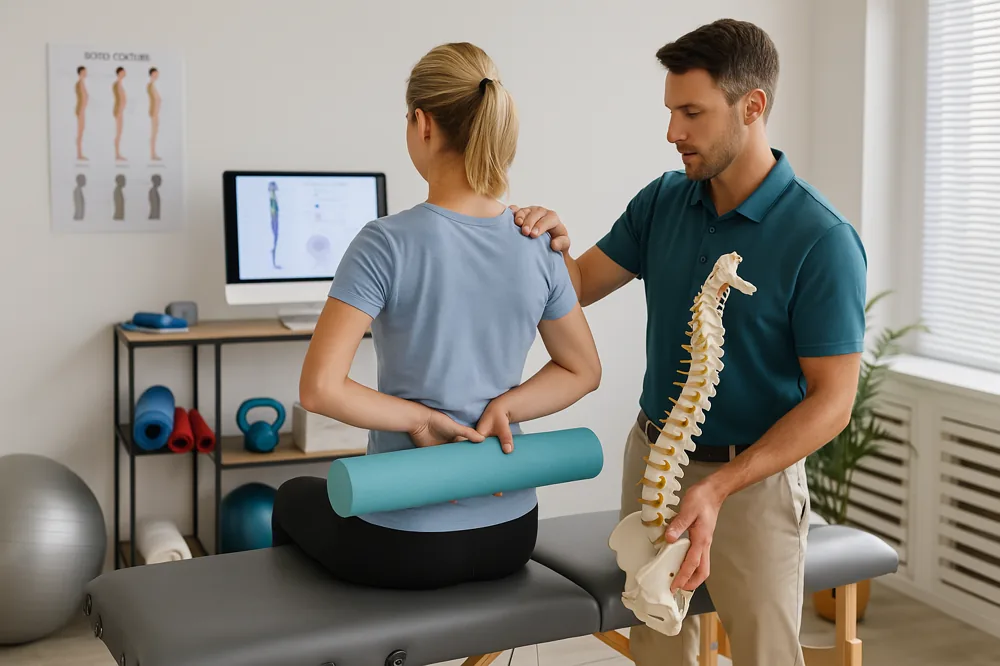
Spinal health is the foundation of overall wellness, yet millions suffer from misalignments, injuries, and chronic conditions that compromise their quality of life. Spinal correction and rehabilitation offers a comprehensive approach to restoring proper spinal function, alleviating pain, and preventing future problems. This detailed guide explores modern techniques, treatment protocols, and the path to achieving lasting spinal health through professional correction and rehabilitation programs.
Understanding Spinal Correction and Rehabilitation
Spinal correction and rehabilitation combines advanced chiropractic techniques with therapeutic exercises and lifestyle modifications to address structural imbalances and restore optimal spinal function. This multifaceted approach goes beyond temporary pain relief, focusing on correcting underlying issues and strengthening supporting structures for long-term results.
The Importance of Proper Spinal Alignment
Your spine serves as the body's central support system and primary pathway for nerve communication. When vertebrae become misaligned (subluxated), it can lead to:
- Nerve interference affecting organ function
- Muscle imbalances and compensatory patterns
- Chronic pain and inflammation
- Reduced mobility and flexibility
- Accelerated degenerative changes
- Compromised immune function
Common Spinal Conditions Requiring Correction
Structural Misalignments
- Scoliosis: Lateral spinal curvature requiring specialized correction
- Kyphosis: Excessive thoracic curve (hunchback posture)
- Lordosis: Exaggerated lumbar curve (swayback)
- Forward head posture: Modern epidemic from device usage
Degenerative Conditions
- Disc herniation and bulging
- Spinal stenosis
- Osteoarthritis of the spine
- Facet joint syndrome
- Degenerative disc disease
Injury-Related Issues
- Whiplash from auto accidents
- Sports-related spinal trauma
- Work-related repetitive strain
- Falls and impact injuries
The Spinal Correction Process
Phase 1: Comprehensive Assessment
Professional spinal correction begins with thorough evaluation:
- Digital posture analysis to identify imbalances
- Spinal X-rays revealing structural abnormalities
- Range of motion testing documenting limitations
- Neurological assessments checking nerve function
- Muscle strength evaluation identifying weaknesses
Phase 2: Acute Care and Pain Relief
Initial treatment focuses on:
- Reducing inflammation and pain
- Restoring basic joint mobility
- Relaxing muscle spasms
- Improving circulation to affected areas
- Establishing proper movement patterns
Phase 3: Corrective Care
This crucial phase addresses root causes through:
- Specific chiropractic adjustments
- Spinal decompression therapy
- Corrective exercises and stretches
- Postural retraining techniques
- Soft tissue mobilization
Phase 4: Rehabilitation and Strengthening
Building lasting results requires:
- Progressive resistance exercises
- Core stabilization training
- Balance and proprioception work
- Functional movement patterns
- Sport or activity-specific training
Phase 5: Maintenance and Prevention
Long-term spinal health involves:
- Regular check-ups and adjustments
- Home exercise programs
- Ergonomic modifications
- Lifestyle optimization
- Stress management techniques
Advanced Spinal Correction Techniques
Chiropractic BioPhysics (CBP)
This evidence-based technique uses:
- Mirror image adjustments
- Specific spinal exercises
- Customized spinal traction
- Postural rehabilitation protocols
Spinal Decompression Therapy
Non-surgical decompression helps:
- Relieve disc pressure
- Promote disc healing
- Reduce nerve compression
- Improve nutrient flow to discs
Activator Methods
Low-force instrument adjusting provides:
- Precise, targeted corrections
- Gentle treatment for sensitive patients
- Measurable, reproducible results
- Reduced adjustment discomfort
Cox Distraction
This specialized technique addresses:
- Disc herniations
- Spinal stenosis
- Facet syndrome
- Scoliosis management
Rehabilitation Exercises for Spinal Health
Core Strengthening
Essential exercises include:
- Planks for deep core stability
- Bird dogs for back extensors
- Dead bugs for transverse abdominis
- Pallof press for anti-rotation strength
Flexibility and Mobility
Key stretches focus on:
- Hip flexor stretches
- Hamstring lengthening
- Thoracic spine mobility
- Cervical range of motion
Postural Exercises
Corrective movements target:
- Chin tucks for forward head posture
- Wall angels for rounded shoulders
- Cat-cow stretches for spinal mobility
- Pelvic tilts for lumbar stability
Technology in Modern Spinal Rehabilitation
Digital Posture Analysis
Advanced systems provide:
- Objective posture measurements
- Progress tracking capabilities
- Visual feedback for patients
- Treatment outcome documentation
Surface EMG
Electromyography reveals:
- Muscle activation patterns
- Neurological function
- Areas of compensation
- Treatment effectiveness
Computerized Adjusting Instruments
Modern tools offer:
- Precise force delivery
- Consistent adjustments
- Patient comfort
- Measurable outcomes
Lifestyle Factors in Spinal Rehabilitation
Ergonomic Considerations
Proper setup includes:
- Workstation optimization
- Correct sleeping positions
- Appropriate mattress selection
- Supportive footwear choices
Nutrition for Spinal Health
Key nutrients support:
- Calcium and Vitamin D for bone strength
- Omega-3 fatty acids for inflammation reduction
- Magnesium for muscle function
- Collagen for disc health
Stress Management
Chronic stress impacts spinal health through:
- Increased muscle tension
- Inflammatory responses
- Poor posture habits
- Reduced healing capacity
Creating Your Personalized Rehabilitation Plan
Initial Goals (Weeks 1-4)
- Pain reduction
- Improved mobility
- Basic strengthening
- Posture awareness
Intermediate Goals (Weeks 5-12)
- Structural corrections
- Advanced exercises
- Functional improvements
- Activity modifications
Long-term Goals (3+ Months)
- Maintained alignment
- Injury prevention
- Optimal function
- Lifestyle integration
Success Indicators in Spinal Rehabilitation
Objective Measurements
Track progress through:
- Postural photographs
- Range of motion tests
- Strength assessments
- X-ray comparisons
Subjective Improvements
Patients typically report:
- Decreased pain levels
- Better sleep quality
- Increased energy
- Enhanced athletic performance
- Improved daily function
Common Obstacles and Solutions
Obstacle: Slow Progress
Solution: Patience and consistency with treatment plan modifications as needed
Obstacle: Exercise Compliance
Solution: Start with simple exercises and gradually progress
Obstacle: Lifestyle Habits
Solution: Implement changes incrementally for sustainable results
Obstacle: Financial Concerns
Solution: Discuss payment plans and insurance coverage options
When to Seek Professional Spinal Correction
Red Flag Symptoms
Immediate attention needed for:
- Severe, unrelenting pain
- Numbness or tingling in extremities
- Loss of bowel/bladder control
- Progressive weakness
- Pain following trauma
Chronic Issues
Professional help recommended for:
- Pain lasting over 6 weeks
- Recurring episodes
- Limited daily activities
- Failed self-treatment attempts
The Role of Patient Education
Understanding your condition empowers:
- Better treatment compliance
- Informed decision-making
- Proactive prevention
- Long-term success
Integrating Spinal Care with Overall Wellness
Complementary Therapies
Consider combining with:
- Massage therapy
- Acupuncture
- Physical therapy
- Yoga or Pilates
Holistic Approach
Address all aspects:
- Physical health
- Mental well-being
- Nutritional status
- Environmental factors
Measuring Long-term Success
Functional Improvements
Success measured by:
- Return to activities
- Reduced medication needs
- Improved quality of life
- Prevention of recurrence
Structural Changes
Documentation through:
- Postural improvements
- X-ray comparisons
- Increased flexibility
- Enhanced strength
Conclusion: Your Journey to Spinal Health
Spinal correction and rehabilitation represents more than just treatment—it's an investment in your long-term health and quality of life. Through comprehensive assessment, targeted correction techniques, progressive rehabilitation exercises, and lifestyle modifications, you can achieve lasting spinal health and optimal function.
Whether you're dealing with chronic pain, recovering from injury, or seeking to prevent future problems, a professional spinal correction and rehabilitation program offers the pathway to recovery. The combination of advanced techniques, personalized treatment plans, and patient education creates a powerful approach to restoring and maintaining spinal health.
Take control of your spinal health today. Consult with a qualified chiropractor or rehabilitation specialist to begin your journey toward optimal spinal function and a pain-free, active life. Remember, your spine is the foundation of your body's health—investing in its proper care today ensures better health tomorrow.
Dr. Leigh Treco Sierra graduated from Auburn University with a Bachelor of Science in Biomedical Science and a Master of Science in Biology. Her passion for the health sciences led her to pursue her Doctor of Chiropractic at Life University, where she graduated Magna Cum Laude.
Schedule an Appointment
Get Started on Your Wellness Transformation
Make an appointment for your initial consultation so we can determine if chiropratic can help improve your health or maintain your wellness goals.
Hours of Operation
| Monday | 10:00 AM - 11:30 AM 3:00 PM - 6:00 PM |
| Tuesday | By Appointment |
| Wednesday | 10:00 AM - 11:30 AM 3:00 PM - 6:00 PM |
| Thursday | 8:00 AM – 4:00 PM |
| Friday | 7:30 AM - 11:00 AM |