
Gentle Pediatric Chiropractic Techniques: Safe, Effective Care for Children in Venice, Florida
Introduction: The Art of Gentle Pediatric Chiropractic Care
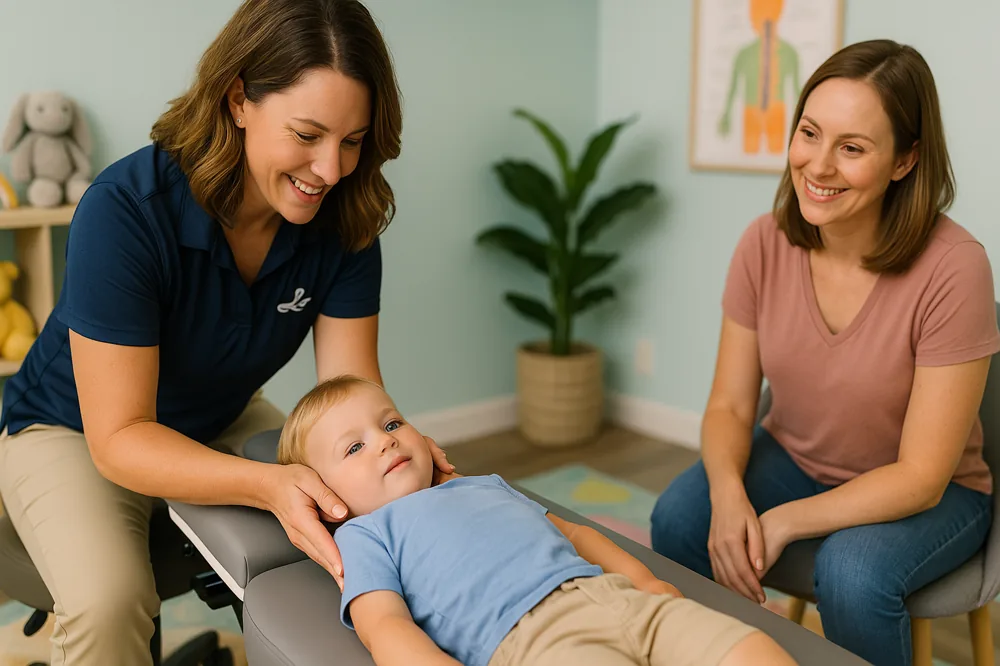
Gentle pediatric chiropractic techniques represent a specialized branch of healthcare designed specifically for infants, children, and adolescents. Unlike adult chiropractic treatments, pediatric approaches require delicate touch, specialized training, and age-appropriate methods that respect the unique developmental needs of growing bodies.
Dr. Leigh Sierra's Venice, Florida practice emphasizes the importance of gentle, safe pediatric chiropractic care that supports optimal child development while addressing common childhood health challenges naturally. Understanding these techniques helps parents make informed decisions about their children's healthcare journey.
Understanding Pediatric Spinal Development
The Unique Nature of Children's Spines
Children's spines differ significantly from adult spines in several crucial ways:
Structural Differences:
- Increased cartilage content and flexibility
- Ongoing ossification and bone development
- Different proportional relationships
- Greater ligamentous laxity
- Developing postural reflexes
- Evolving biomechanical patterns
Growth and Development Factors:
- Rapid skeletal changes during growth spurts
- Hormonal influences on bone density
- Activity-related adaptations
- Postural habit formation
- Neurological maturation processes
- Muscular development patterns
Critical Developmental Stages
Pediatric chiropractors recognize distinct developmental phases:
Infancy (0-12 months):
- Birth trauma recovery needs
- Primitive reflex integration
- Motor milestone achievement
- Cranial development support
- Feeding and digestion optimization
Toddlerhood (1-3 years):
- Walking pattern establishment
- Balance and coordination development
- Language acquisition support
- Sleep pattern regulation
- Behavioral development influences
Preschool Age (3-5 years):
- Fine motor skill refinement
- Social interaction development
- Immune system strengthening
- Attention span improvement
- Physical activity preparation
School Age (6-12 years):
- Academic performance support
- Sports participation preparation
- Postural habit correction
- Growth-related pain management
- Stress adaptation techniques
Adolescence (13-18 years):
- Puberty-related changes
- Identity formation support
- Athletic performance optimization
- Stress management education
- Adult transition preparation
Specialized Gentle Techniques for Pediatric Care
Low-Force Adjustment Methods
Pediatric chiropractic employs significantly gentler techniques than adult care:
Activator Method:
- Handheld instrument delivers precise, low-force impulses
- Eliminates need for manual thrust techniques
- Provides consistent, measurable force application
- Reduces anxiety in nervous children
- Allows for targeted, specific corrections
Craniosacral Therapy:
- Extremely gentle touch using fingertip pressure
- Addresses cranial bone mobility restrictions
- Supports cerebrospinal fluid circulation
- Promotes nervous system balance
- Ideal for newborns and sensitive children
Soft Tissue Mobilization:
- Gentle massage and stretching techniques
- Myofascial release for muscle tension
- Trigger point therapy adaptation for children
- Lymphatic drainage support
- Circulation enhancement methods
Toggle Recoil Technique:
- Light contact with immediate release
- Minimal force application
- Precise directional corrections
- Comfortable for anxious children
- Effective for upper cervical adjustments
Age-Appropriate Treatment Modifications
Different age groups require specific technique modifications:
Newborn and Infant Techniques:
- Fingertip pressure equivalent to checking fruit ripeness
- Gentle sustained contacts
- Rhythmic mobilization movements
- Cranial decompression techniques
- Reflex integration support
Toddler-Specific Approaches:
- Distraction techniques during treatment
- Play-based therapy integration
- Parent involvement in positioning
- Short treatment durations
- Movement-based corrections
School-Age Adaptations:
- Educational explanations during treatment
- Postural correction exercises
- Home care instruction
- Sports-specific techniques
- Peer interaction considerations
Teenage Modifications:
- Respect for privacy and autonomy
- Stress management integration
- Athletic performance focus
- Body image sensitivity awareness
- Future health education emphasis
Conditions Addressed Through Gentle Pediatric Techniques
Newborn and Infant Conditions
Gentle pediatric chiropractic effectively addresses:
Birth Trauma Recovery:
- Cervical spine misalignments from delivery
- Cranial molding and pressure point relief
- Torticollis and head positioning issues
- Brachial plexus irritation
- Facial asymmetry correction
Feeding and Digestive Issues:
- Latching difficulties during breastfeeding
- Colic and excessive crying episodes
- Reflux and spitting up problems
- Constipation and elimination issues
- Sleep disturbance patterns
Developmental Concerns:
- Delayed motor milestone achievement
- Asymmetrical movement patterns
- Primitive reflex retention
- Muscle tone imbalances
- Sensory processing difficulties
Childhood Health Challenges
Growing children benefit from gentle techniques for:
Musculoskeletal Issues:
- Growing pains and joint discomfort
- Postural imbalances from technology use
- Sports-related minor injuries
- Backpack-related neck and back pain
- Playground injury recovery
Neurological Support:
- ADHD symptom management
- Learning difficulty support
- Sleep quality improvement
- Behavioral regulation assistance
- Sensory integration enhancement
Immune System Optimization:
- Recurrent ear infection prevention
- Upper respiratory infection reduction
- Allergy symptom management
- Overall illness resistance improvement
- Recovery time acceleration
Adolescent-Specific Conditions
Teenagers receive specialized care for:
Spinal Development Issues:
- Scoliosis monitoring and management
- Postural correction for technology use
- Growth-related spinal changes
- Athletic performance enhancement
- Injury prevention strategies
Stress-Related Symptoms:
- Tension headaches and migraines
- Sleep disturbance management
- Academic stress relief
- Social anxiety support
- Emotional regulation improvement
Safety Protocols in Pediatric Chiropractic Care
Comprehensive Assessment Procedures
Before any treatment, thorough evaluation includes:
Detailed Health History:
- Pregnancy and birth history review
- Developmental milestone assessment
- Previous injury or trauma documentation
- Current symptoms and concerns
- Family health pattern analysis
Physical Examination Components:
- Postural analysis and symmetry evaluation
- Range of motion testing
- Neurological reflex assessment
- Orthopedic screening tests
- Palpation for tissue changes
Diagnostic Considerations:
- Red flag symptom identification
- Contraindication screening
- Referral need assessment
- Imaging requirement evaluation
- Treatment plan development
Treatment Safety Measures
Pediatric chiropractic safety protocols include:
Force Modification Guidelines:
- Pressure equivalent to testing fruit ripeness
- Maximum force never exceeding adult thumb pressure
- Technique selection based on age and size
- Continuous comfort monitoring
- Immediate technique adjustment if discomfort occurs
Environmental Safety Factors:
- Child-friendly treatment room setup
- Appropriate table and equipment sizing
- Parent presence during treatment
- Distraction and comfort items available
- Emergency protocol accessibility
Monitoring and Documentation:
- Continuous patient response observation
- Detailed treatment note maintenance
- Progress tracking and measurement
- Adverse reaction documentation
- Communication with parents and pediatricians
The Science Behind Gentle Pediatric Techniques
Neurological Development Support
Gentle chiropractic techniques support optimal neurological function through:
Nervous System Integration:
- Sensory processing improvement
- Motor control enhancement
- Reflex integration facilitation
- Autonomic function optimization
- Cognitive development support
- Gentle realignment reduces nerve irritation
- Improved cerebrospinal fluid circulation
- Enhanced nerve conduction velocity
- Reduced inflammatory responses
- Optimal growth factor distribution
Musculoskeletal Development
Proper spinal alignment supports:
Structural Growth:
- Balanced muscle development
- Symmetrical joint formation
- Optimal bone density development
- Proper postural pattern establishment
- Injury prevention through alignment
Functional Movement:
- Coordinated movement pattern development
- Balance and proprioception enhancement
- Athletic skill acquisition support
- Daily activity performance improvement
- Future injury risk reduction
Treatment Protocols and Frequency
Initial Treatment Phase
New pediatric patients typically follow this progression:
First Visit Components:
- Comprehensive consultation and examination
- Parent education about gentle techniques
- Initial gentle assessment treatments
- Home care instruction
- Follow-up scheduling
Early Treatment Schedule:
- 2-3 visits per week initially for acute conditions
- Weekly visits for maintenance and development
- Bi-weekly visits for chronic condition management
- Monthly visits for wellness and prevention
- As-needed visits for acute episodes
Maintenance and Wellness Care
Long-term pediatric wellness involves:
Regular Check-ups:
- Growth spurt monitoring and support
- Postural development assessment
- Activity-related adjustment needs
- Preventive care protocols
- Health education updates
Seasonal Considerations:
- Back-to-school spinal assessments
- Sports season preparation
- Growth spurt accommodation
- Academic stress management
- Holiday schedule modifications
Creating Child-Friendly Treatment Environments
Physical Environment Design
Pediatric chiropractic offices should feature:
Child-Appropriate Furnishings:
- Colorful, engaging décor
- Age-appropriate entertainment options
- Comfortable seating for parents
- Safe play areas for siblings
- Sensory-friendly lighting and sounds
Equipment Modifications:
- Pediatric-sized treatment tables
- Step stools for easy access
- Soft padding and comfortable positioning
- Child-safe adjusting instruments
- Engaging visual distractions
Psychological Comfort Measures
Ensuring emotional comfort through:
Communication Strategies:
- Age-appropriate explanation of procedures
- Honest discussion about sensations
- Encouragement and positive reinforcement
- Respect for child's comfort boundaries
- Parent involvement in communication
Anxiety Reduction Techniques:
- Gradual introduction to treatment environment
- Demonstration on dolls or parents first
- Breathing exercises and relaxation techniques
- Distraction during treatment
- Reward systems for cooperation
Parent Education and Home Care
Understanding Treatment Goals
Parents learn about:
Realistic Expectations:
- Timeline for improvement varies by condition
- Some conditions require longer treatment periods
- Maintenance care importance for optimal results
- Integration with other healthcare approaches
- Normal responses to gentle treatment
Signs of Progress:
- Improved sleep patterns and quality
- Better mood and behavior regulation
- Enhanced physical performance
- Reduced frequency of common illnesses
- Improved developmental milestone achievement
Home Care Instructions
Parents receive guidance on:
Daily Activities:
- Proper lifting and carrying techniques
- Ergonomic setup for homework and play
- Sleep position optimization
- Exercise and stretching routines
- Posture awareness activities
Monitoring Guidelines:
- Symptom tracking methods
- When to contact the chiropractor
- Home comfort measures
- Activity modification recommendations
- Progress documentation techniques
Integration with Pediatric Healthcare
Collaborative Care Approaches
Pediatric chiropractors work with:
Primary Care Pediatricians:
- Regular communication about treatment progress
- Shared care protocols for complex conditions
- Referral relationships for comprehensive care
- Emergency care coordination
- Preventive health optimization
Specialists and Therapists:
- Coordination with physical therapists
- Speech therapy integration when indicated
- Occupational therapy collaboration
- Behavioral health professional communication
- Educational support team coordination
Medical Referral Protocols
Appropriate referrals occur for:
Red Flag Symptoms:
- Severe or progressive neurological symptoms
- Signs of serious underlying pathology
- Developmental regression or delays
- Unexplained fever or systemic illness
- Traumatic injury requiring medical evaluation
Collaborative Treatment Needs:
- Complex developmental disorders
- Chronic medical conditions
- Surgical consultation requirements
- Medication management needs
- Specialized diagnostic testing
Research and Evidence in Pediatric Chiropractic
Current Research Findings
Scientific studies demonstrate:
Safety Profile:
- Extremely low risk of adverse events
- No serious complications reported in literature
- High patient and parent satisfaction rates
- Improved quality of life measures
- Cost-effective healthcare option
Effectiveness Studies:
- Significant improvement in colic symptoms
- Reduced ear infection frequency
- Enhanced sleep quality measurements
- Improved ADHD symptom management
- Better academic performance correlations
Ongoing Research Areas
Current investigation focuses on:
Neurological Development:
- Sensory processing improvement mechanisms
- Motor development enhancement pathways
- Cognitive function optimization
- Behavioral regulation mechanisms
- Academic performance correlations
Long-term Health Outcomes:
- Preventive care effectiveness
- Adult health pattern influences
- Healthcare utilization reduction
- Quality of life improvements
- Chronic condition prevention
Training and Certification for Pediatric Chiropractors
Specialized Education Requirements
Pediatric chiropractic specialists complete:
Advanced Coursework:
- Pediatric anatomy and physiology
- Child development and psychology
- Gentle technique training
- Safety protocol education
- Communication skills development
Certification Programs:
- International Chiropractic Pediatric Association (ICPA) certification
- Diplomate in Clinical Chiropractic Pediatrics (DICCP)
- Continuing education maintenance requirements
- Clinical experience documentation
- Competency examination completion
Dr. Leigh Sierra's Pediatric Qualifications
Dr. Sierra brings exceptional credentials:
- Doctor of Chiropractic degree (Magna Cum Laude)
- Specialized pediatric and pregnancy training
- Gentle technique certification
- Ongoing continuing education commitment
- Community pediatric healthcare involvement
Common Myths and Misconceptions
Addressing Safety Concerns
Myth: Chiropractic adjustments are too forceful for children Reality: Pediatric techniques use pressure no greater than testing fruit ripeness—extremely gentle and safe.
Myth: Children's spines are too delicate for chiropractic care Reality: Proper pediatric techniques are specifically designed for developing spines and are exceptionally gentle.
Myth: Chiropractic care can replace pediatric medical care Reality: Pediatric chiropractic complements medical care and works collaboratively with pediatricians.
Educational Opportunities
Parents learn through:
- Educational workshops and seminars
- Written materials and resources
- Online educational content
- Individual consultation discussions
- Community health presentations
Success Stories: Real Results with Gentle Techniques
Infant and Newborn Success
Families report significant improvements in:
- Breastfeeding difficulties resolved within days
- Colic symptoms reduced by 80% or more
- Sleep patterns normalized within weeks
- Reflux symptoms significantly decreased
- Overall fussiness and crying reduced
Childhood Development Support
Children experience:
- Improved attention and focus at school
- Reduced frequency of ear infections
- Better sleep quality and duration
- Enhanced athletic performance
- Improved social interaction skills
Adolescent Wellness Achievements
Teenagers benefit from:
- Reduced headache frequency and intensity
- Improved posture and spinal alignment
- Better stress management capabilities
- Enhanced academic performance
- Increased self-confidence and body awareness
Choosing the Right Pediatric Chiropractor in Venice, FL
Essential Qualifications
Look for practitioners with:
- Specialized pediatric chiropractic training
- Board certification in pediatric techniques
- Excellent safety record and reputation
- Strong communication skills with children
- Collaborative relationships with pediatricians
Practice Environment Considerations
Evaluate:
- Child-friendly office design and atmosphere
- Age-appropriate equipment and furnishings
- Staff experience with pediatric patients
- Parent comfort and involvement policies
- Emergency protocols and safety measures
Getting Started with Gentle Pediatric Chiropractic
Initial Consultation Process
Your first visit includes:
Comprehensive Assessment:
- Detailed health and development history
- Gentle physical examination
- Treatment plan development
- Parent education and question answering
- Scheduling and care coordination
Treatment Introduction:
- Explanation of gentle techniques
- Demonstration of pressure and methods
- Initial gentle assessment treatment
- Home care instruction
- Follow-up planning
Preparing Your Child
Help your child by:
- Explaining the visit in age-appropriate terms
- Bringing comfort items or favorite toys
- Scheduling during optimal energy times
- Discussing any fears or concerns
- Maintaining calm, positive attitude
Conclusion: Investing in Your Child's Optimal Development
Gentle pediatric chiropractic techniques offer safe, effective support for children's optimal growth and development. Through specialized training, age-appropriate methods, and collaborative care approaches, pediatric chiropractors provide valuable healthcare services that complement traditional medical care.
Dr. Leigh Sierra's expertise in gentle pediatric techniques ensures Venice, Florida families receive the highest quality care for their children. From newborn care to adolescent wellness, these gentle approaches support natural healing while addressing specific developmental needs at each stage of growth.
By choosing gentle pediatric chiropractic care, parents invest in their children's long-term health, supporting optimal nervous system function, proper spinal development, and overall wellness throughout the crucial growing years.
Ready to explore gentle pediatric chiropractic care for your child? Contact Dr. Leigh Sierra's Venice, Florida clinic at (941) 244-9028 to schedule a consultation and learn how gentle techniques can support your child's optimal development.
Dr. Leigh Treco Sierra graduated from Auburn University with a Bachelor of Science in Biomedical Science and a Master of Science in Biology. Her passion for the health sciences led her to pursue her Doctor of Chiropractic at Life University, where she graduated Magna Cum Laude.
Schedule an Appointment
Get Started on Your Wellness Transformation
Make an appointment for your initial consultation so we can determine if chiropratic can help improve your health or maintain your wellness goals.
Hours of Operation
| Monday | 10:00 AM - 11:30 AM 3:00 PM - 6:00 PM |
| Tuesday | By Appointment |
| Wednesday | 10:00 AM - 11:30 AM 3:00 PM - 6:00 PM |
| Thursday | 8:00 AM – 4:00 PM |
| Friday | 7:30 AM - 11:00 AM |