
Chiropractic Adjustments for Circulatory Health
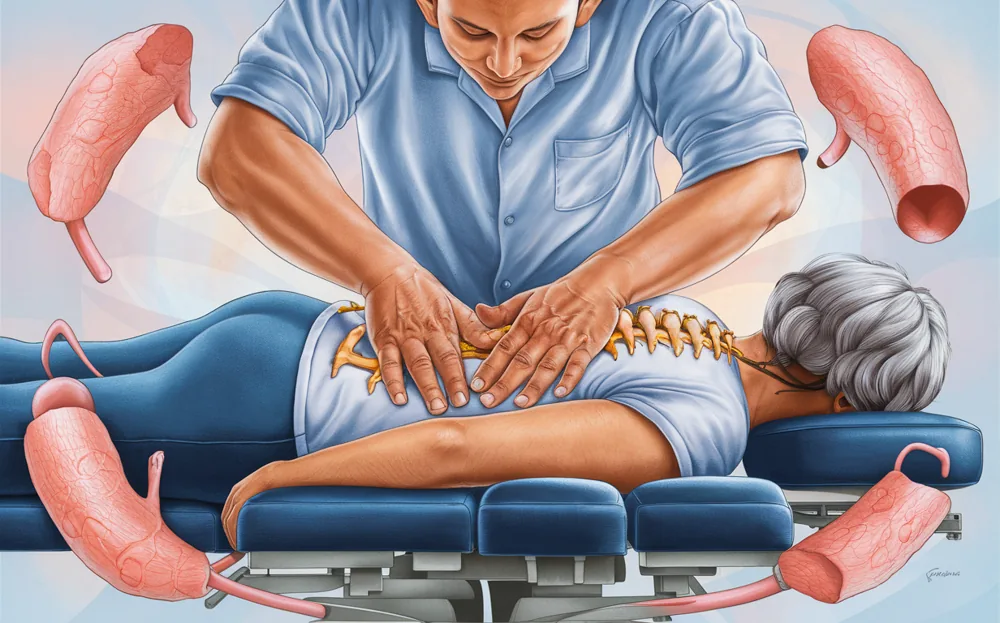
How chiropractic adjustments for circulatory health helps promote better circulation and improves cardiovascular wellness? We'll explain here.
Chiropractic adjustments can be an effective way to promote better circulation and overall cardiovascular wellness. By addressing misalignments in the spine and correcting nerve interference, these treatments can help alleviate issues related to poor blood flow.
Key Takeaways:
- Spinal misalignments can impede proper nerve function, affecting circulatory processes.
- Chiropractic adjustments restore spinal alignment, removing nerve interference and improving blood flow.
- Improved circulation enhances oxygen and nutrient delivery to organs and tissues.
- Chiropractic care may help manage symptoms of circulatory disorders like high blood pressure and restless leg syndrome.
Poor circulation can lead to a host of health concerns, from numbness and tingling to more serious issues like blood clots. Fortunately, chiropractic adjustments offer a natural solution to promote optimal circulatory health by removing nerve interference that may be impeding proper blood flow.
Table of Contents
Understanding the Circulatory System

The circulatory system is a complex network of blood vessels (arteries, veins, and capillaries) responsible for transporting oxygenated blood, nutrients, and other essential substances throughout the body. This intricate system relies on the heart's pumping action and unobstructed pathways to function optimally.
When blood flow is compromised, it can lead to a range of symptoms and potential health risks. Poor circulation can manifest as:
- Numbness or tingling in the extremities
- Cold hands and feet
- Muscle cramps or fatigue
- Swelling in the legs or ankles
- Digestive issues
- Cognitive difficulties
Prolonged poor circulation can also increase the risk of developing more serious conditions like:
- Peripheral artery disease (PAD)
- Deep vein thrombosis (DVT)
- Stroke
- Heart attack
- Kidney damage
Given the vital role of the circulatory system, maintaining optimal blood flow is crucial for overall health and well-being.
The Nervous System's Role in Circulation
While the heart is the primary driver of the circulatory system, the nervous system plays a critical role in regulating blood flow. The autonomic nervous system (ANS), which operates involuntarily, controls the dilation and constriction of blood vessels, influencing circulation throughout the body.
Spinal misalignments, also known as vertebral subluxations, can interfere with the proper functioning of the nervous system, including the ANS. When vertebrae are misaligned, they can put pressure on nearby nerves, disrupting the communication between the brain and various organs and systems, including the cardiovascular system.
Chiropractic Adjustments for Improved Circulation
Chiropractic adjustments are designed to correct spinal misalignments and remove nerve interference, allowing the body's innate healing abilities to function optimally. By restoring proper spinal alignment and nerve communication, chiropractic care can positively impact circulatory processes in several ways:
- Vasodilation: Adjustments can help improve the dilation of blood vessels, allowing for better blood flow and nutrient delivery to tissues and organs.
- Reduced Inflammation: Chiropractic care has been shown to reduce inflammation, which can contribute to improved circulation by preventing the narrowing of blood vessels.
- Improved Nerve Function: By removing nerve interference caused by spinal misalignments, adjustments can enhance the communication between the brain and the cardiovascular system, optimizing the regulation of blood flow.
- Stress Reduction: Chronic stress can contribute to poor circulation by constricting blood vessels. Chiropractic care may help reduce stress levels, promoting relaxation and improved blood flow.
Addressing Circulatory Conditions with Chiropractic Care

In addition to promoting overall circulatory health, chiropractic adjustments may also help manage specific conditions related to poor blood flow, such as:
High Blood Pressure (Hypertension)
Hypertension, or high blood pressure, can strain the cardiovascular system and increase the risk of heart disease, stroke, and other complications. While chiropractic care is not a primary treatment for hypertension, it may help support better blood pressure regulation by improving nerve function and reducing stress levels.
Restless Leg Syndrome (RLS)
RLS is a condition characterized by an irresistible urge to move the legs, often accompanied by tingling, cramping, or discomfort. Poor circulation is believed to be a contributing factor to RLS. Chiropractic adjustments may help alleviate RLS symptoms by improving blood flow and nerve function in the affected areas.
Peripheral Artery Disease (PAD)
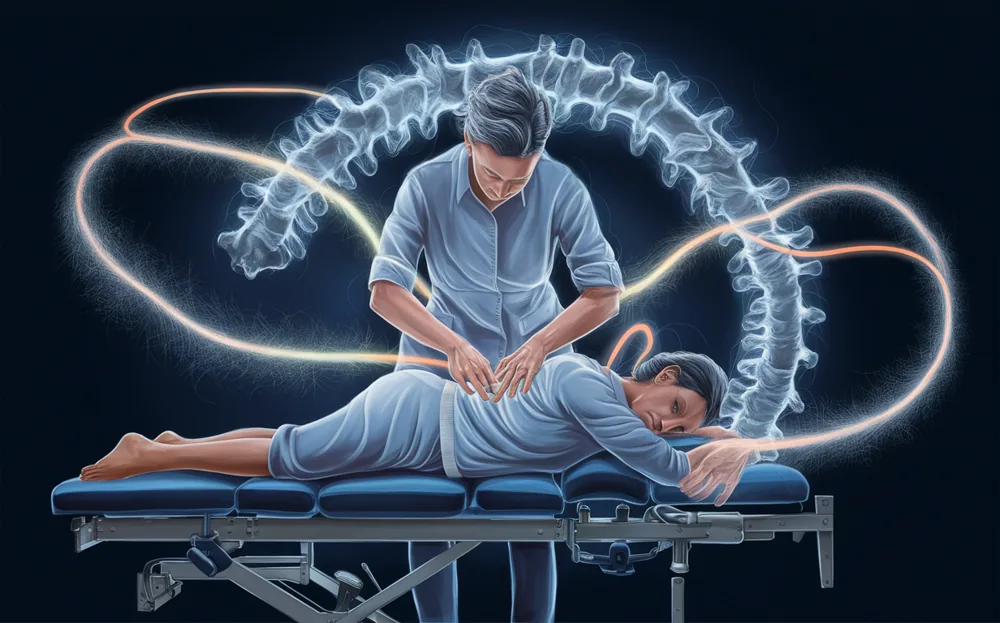
PAD occurs when plaque buildup narrows the arteries, restricting blood flow to the limbs, most commonly the legs. While chiropractic care cannot directly treat PAD, it may help improve circulation and reduce inflammation, potentially alleviating some of the symptoms associated with this condition.
It's important to note that while chiropractic care can be an effective complementary approach to managing circulatory issues, it should not replace traditional medical treatments or advice from healthcare professionals, particularly for severe or chronic conditions.
Lifestyle Factors Affecting Circulation
While chiropractic adjustments can play a significant role in promoting better circulation, lifestyle factors also contribute to circulatory health. Here are some key areas to consider:
Physical Activity
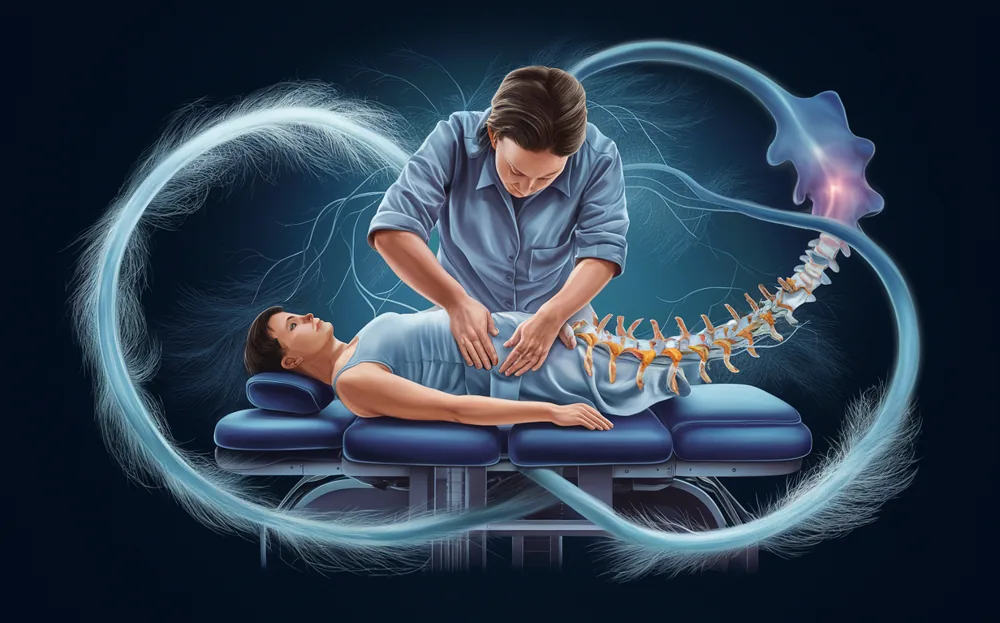
Regular exercise is crucial for maintaining a healthy cardiovascular system and promoting good circulation. Activities like walking, cycling, and swimming can help improve blood flow and strengthen the heart and blood vessels.
Nutrition
A balanced diet rich in fruits, vegetables, whole grains, and lean proteins can support circulatory health. Certain nutrients, such as omega-3 fatty acids and antioxidants, may help improve blood flow and reduce inflammation.
Weight Management
Carrying excess weight can put additional strain on the cardiovascular system and increase the risk of conditions like high blood pressure and diabetes, which can contribute to poor circulation.
Smoking and Alcohol Consumption

Smoking and excessive alcohol consumption can damage blood vessels and increase the risk of circulatory problems. Quitting smoking and limiting alcohol intake can have a positive impact on circulation.
Stress Management
Chronic stress can constrict blood vessels and increase inflammation, both of which can impair circulation. Incorporating stress-management techniques, such as exercise, meditation, or yoga, can help promote better blood flow.
By addressing these lifestyle factors in conjunction with regular chiropractic care, individuals can take a comprehensive approach to maintaining optimal circulatory health.
Potential Benefits of Chiropractic Adjustments for Circulatory Health
Lifestyle Factors Affecting Circulatory Health

Signs of Poor Circulation
- Numbness or tingling in the extremities
- Cold hands and feet
- Muscle cramps or fatigue
- Swelling in the legs or ankles
- Digestive issues
- Cognitive difficulties
- Slow wound healing
- Discoloration of the skin (bluish or pale)
- Hair loss on the legs or feet
If you experience any of these symptoms, it's essential to consult with a healthcare professional to determine the underlying cause and receive appropriate treatment.
Conclusion
Chiropractic adjustments can be an effective complementary approach to promoting optimal circulatory health. By addressing spinal misalignments and removing nerve interference, these treatments can improve blood flow, reduce inflammation, and support the body's natural healing processes.
While chiropractic care should not replace traditional medical treatments, it can be a valuable addition to a comprehensive wellness plan. By incorporating regular adjustments, along with a healthy lifestyle that includes physical activity, proper nutrition, weight management, and stress reduction, individuals can take proactive steps toward maintaining a healthy circulatory system and overall well-being.
Remember, the key to achieving optimal circulatory health lies in a holistic approach that addresses both physical and lifestyle factors. Consult with our qualified chiropractor and healthcare team of professionals to develop a personalized plan that meets your unique needs and health goals.
Schedule an Appointment
Get Started on Your Wellness Transformation
Make an appointment for your initial consultation so we can determine if chiropratic can help improve your health or maintain your wellness goals.
Hours of Operation
| Monday | 10:00 AM - 11:30 AM 3:00 PM - 6:00 PM |
| Tuesday | By Appointment |
| Wednesday | 10:00 AM - 11:30 AM 3:00 PM - 6:00 PM |
| Thursday | 8:00 AM – 4:00 PM |
| Friday | 7:30 AM - 11:00 AM |